
The installation time depends on the number of entry and exit points and the property's existing infrastructure. In general, projects with no more than two entry and exit points can have the system installed, tested, and ready for operation within a few business days.
Condominium Parking Management System: Solve Unauthorized Parking Issues with License Plate Recognition Cameras
4 August 2026
Written by:SILVERMAN
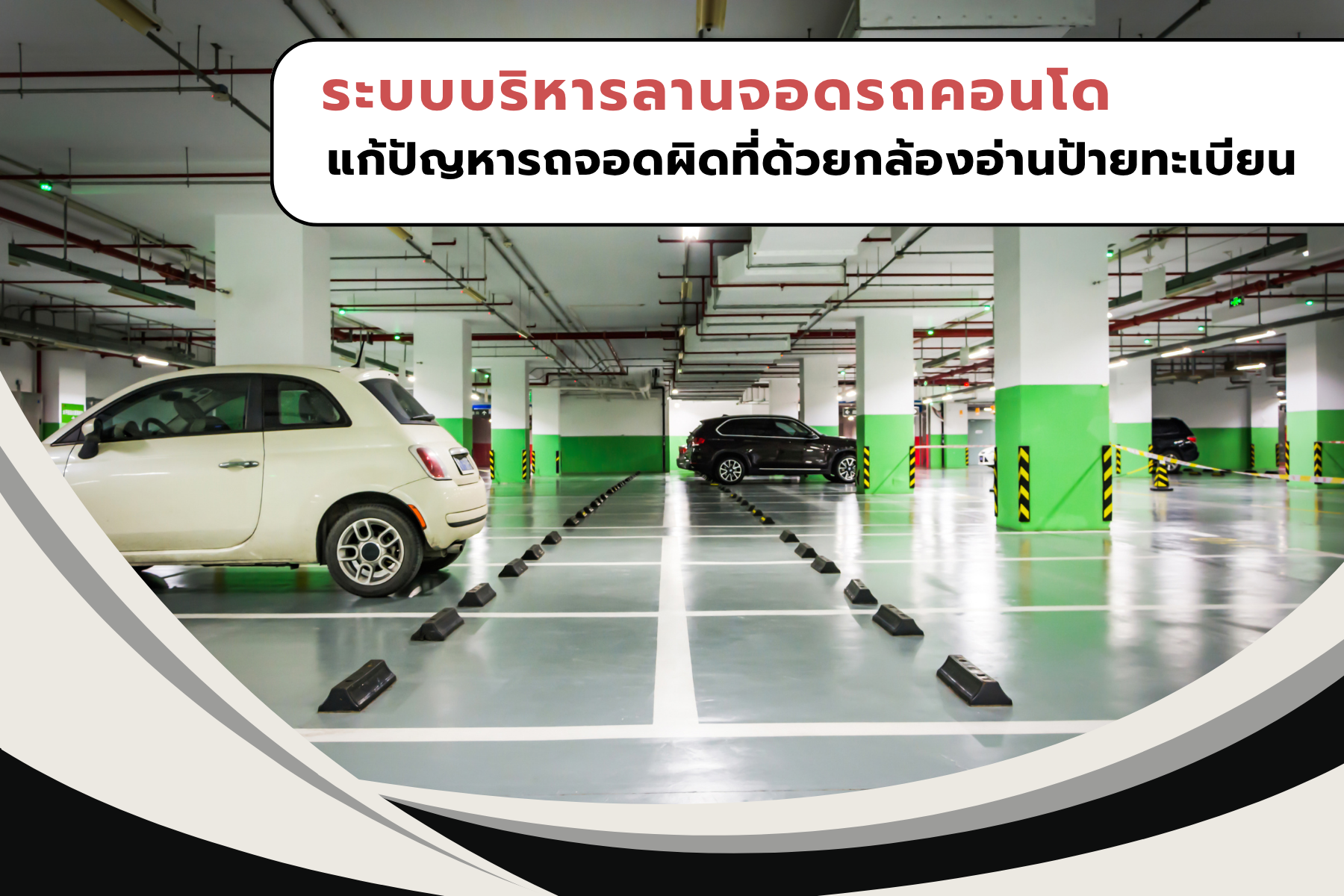
Condominium Parking Management System: Solve Unauthorized Parking with License Plate Recognition
One of the most common challenges faced by condominium and housing estate management teams is parking management. Whether it's visitor vehicles blocking residents' parking spaces, the lack of accurate records of vehicle entry and exit, or having to review hours of CCTV footage to identify when a particular vehicle entered the property, these issues occur repeatedly in projects that still rely on traditional parking management systems. In many cases, they remain unresolved until a major incident affects the safety or convenience of residents.
Many communities that have experienced these problems begin with the same question: How can vehicle access be managed more accurately without increasing the workload for staff?
For many developments, the answer has been to replace traditional parking permit or access card systems with an automated License Plate Recognition (LPR) solution that controls vehicle entry and exit using license plate recognition technology.
What Are the Limitations of Traditional Parking Card Systems?
Traditional parking cards and windshield stickers, which are still used in many properties, may seem easy to manage at first. However, over time they often create operational challenges.
Lost parking cards must be replaced each time, requiring staff to verify parking privileges before issuing a new card. There is also no way to know whether the lost card is later used by someone else.
Windshield stickers can be removed and attached to another vehicle, making the management records inconsistent with the vehicles actually entering and leaving the property.
Traditional systems also do not maintain accurate entry and exit records. When parking disputes occur or incidents such as theft take place in the parking area, management staff often cannot immediately determine whether an unfamiliar vehicle entered the property during the relevant period.
Finally, these systems rely heavily on manual operations. Card exchange points and barrier gates require staff to be on duty at all times, creating an ongoing operating cost for the property management organization.
How Does License Plate Recognition (LPR) Solve These Problems?
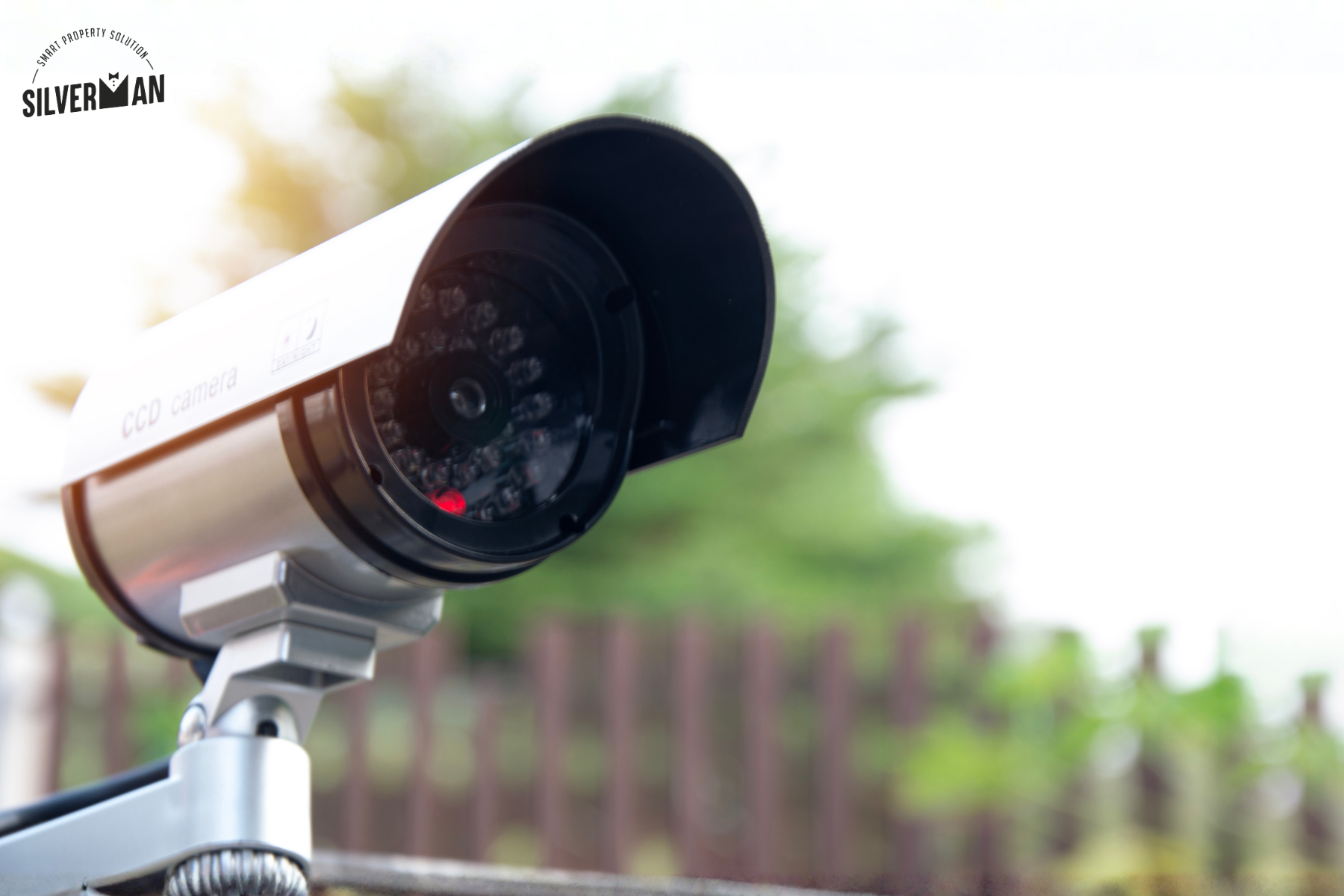
A License Plate Recognition (LPR) camera is a surveillance camera specifically designed to detect and read vehicle license plates. It works together with image processing software and an automated barrier gate system. When a vehicle enters the detection zone, the camera captures an image of the license plate, converts it into text using Optical Character Recognition (OCR) technology, and compares it with the database of registered vehicles. If there is a match, the barrier gate opens automatically within seconds, without requiring the driver to exchange a parking card or staff to manually operate the gate.
A high-quality LPR system should be able to recognize both cars and motorcycles and support the various license plate formats issued by Thailand's Department of Land Transport, including standard white plates with black characters, red plates, yellow plates, green plates, and auction plates. Under suitable lighting conditions and with proper camera positioning, these systems typically achieve an accuracy rate of 95–98%. However, there are limitations to consider. Plates that are faded, damaged, peeling, covered by stickers, or counterfeit may not be recognized accurately, so a backup procedure should always be in place for such cases. Different camera brands also offer different strengths, making it worthwhile to compare available options before making a decision.
What Property Management Teams Gain from an Intelligent Parking System
Real-Time Vehicle Entry and Exit Records
Management staff can instantly see when a vehicle entered the property and how long it has been parked, eliminating the need for manual record-keeping, which is often incomplete during busy periods.
Fewer Problems with Lost or Counterfeit Parking Cards
Without physical parking cards, there is nothing to lose, duplicate, or forge. Vehicle access is tied directly to the license plate, making authorization more accurate and reliable.
Instant Access to Historical Records
When parking disputes or security incidents occur, staff can quickly retrieve historical records by time period or license plate number instead of reviewing CCTV footage frame by frame.
Reduced Workload for Security Staff
Automated barrier gates eliminate the need for staff to be stationed at every entrance at all times, reducing long-term labor costs, especially for properties with multiple entry and exit points.
Improved Resident Safety
The system can be configured to alert security personnel when it detects unregistered vehicles or vehicles on a watch list. This functionality also integrates with a visitor management system, enabling security staff to respond more quickly before an incident occurs.
Integrates with Your Property Management System in a Single App
The value of a parking management system increases even further when it integrates with an existing property management platform.
Vehicle entry and exit records can be linked to individual residential units, residents can receive app notifications when visitors arrive, and parking fees can be calculated automatically and synchronized with the property's accounting system for projects that charge based on actual parking usage.
This allows management teams to work within a single platform instead of switching between multiple systems, while reducing the duplicate administrative work that traditionally exists between security and accounting departments.
Things to Consider Before Installing an LPR System
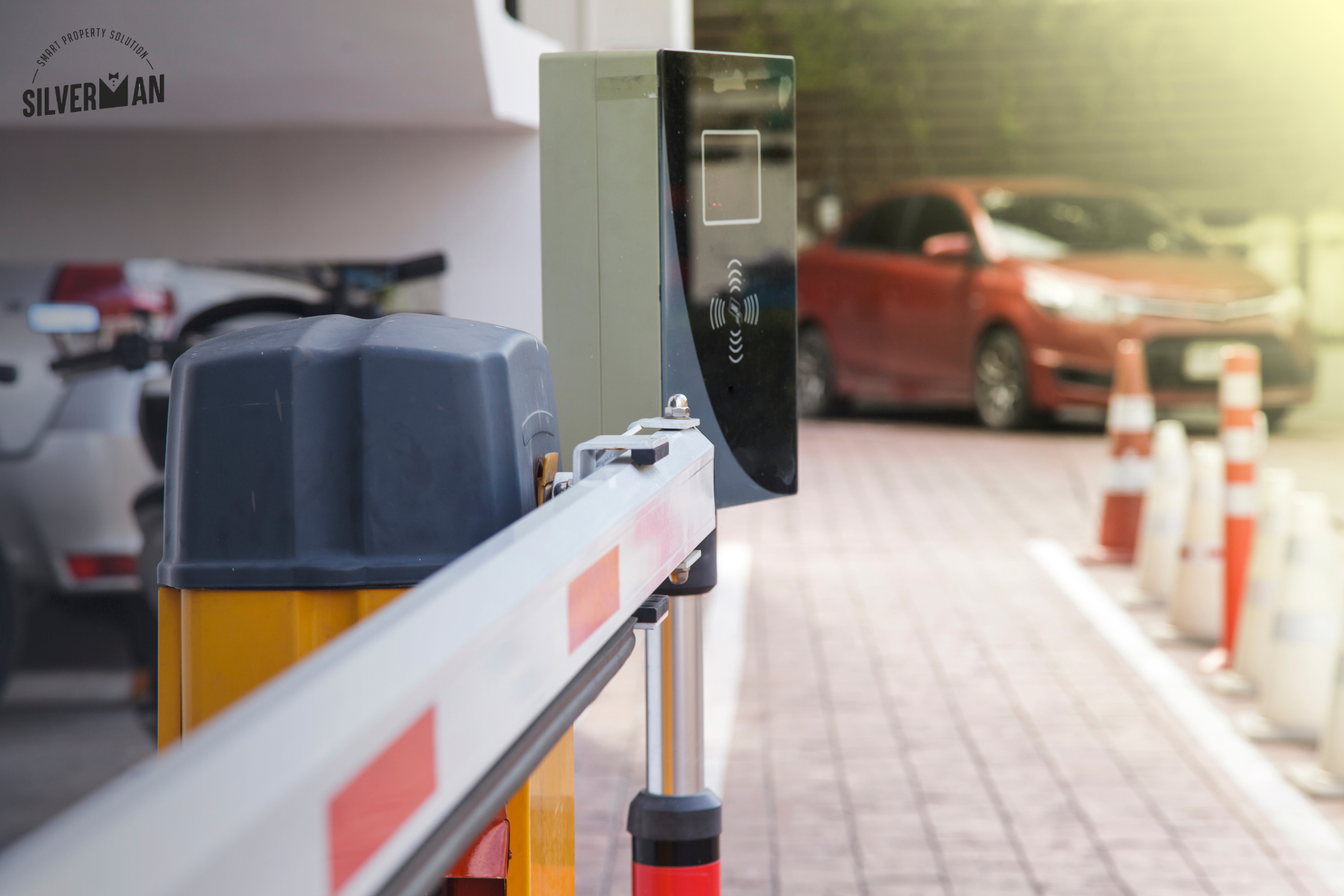
Things to Consider Before Installing a Parking Management System
Installing a parking management system involves more than simply choosing the most accurate LPR camera. There are several other factors that property management teams should consider.
Camera Placement and Viewing Angle
The position and angle of the camera have a direct impact on license plate recognition accuracy. If the entrance is on a slope or affected by backlighting, the camera position may need to be adjusted or additional lighting installed.
Vehicle Speed at the Detection Point
Most LPR systems are designed to achieve optimal accuracy when vehicles pass through the detection area at low speed. Properties with steep entrances or exits should install signs reminding drivers to slow down before reaching the camera.
Backup Procedures
There should always be a contingency plan for situations where the system cannot read a license plate. Security staff should be able to manually open the barrier gate when necessary to prevent traffic from backing up at the entrance.
PDPA Compliance and Personal Data Protection
Because the system stores images and vehicle registration information belonging to residents and visitors, property management organizations should choose a solution that provides clearly defined access controls and data retention policies that comply with Thailand's Personal Data Protection Act (PDPA).
Who Should Consider Installing This System?
An intelligent parking management system is ideal for properties with a high volume of vehicle traffic or projects where security and accurate vehicle records are a priority.
These include:
- Medium to large condominiums
- Housing estates with multiple entrances and exits
- Office buildings that need to manage separate parking privileges for employees and visitors
- Hotels and resorts that require organized parking management for guests and staff
For new developments that are in the process of establishing a property management organization, implementing the system from the outset is significantly easier than upgrading an existing parking operation later.
Get Started with Silverman Parking Management
Silverman's parking management system integrates License Plate Recognition (LPR) cameras with its property management platform in a single application. The system supports automated barrier gate control, instant resident notifications, and quick access to historical vehicle records for incident investigations.
If you're looking for a solution to make your condominium or housing estate management more organized and efficient, Silverman could be the right choice for your project.
To learn more, visit silverman.app or call +66 8-1442-6888.
Frequently Asked Questions
n many cases, LPR cameras can be integrated with existing barrier gates, provided the barriers support external control signal connections. This allows the system to be upgraded without replacing the entire barrier gate infrastructure.
It is recommended to choose a system with battery backup for both the LPR cameras and the barrier gates. At a minimum, the backup power should support temporary manual gate operation until the power is restored.
Not at all. Our team will handle the entire migration process, ensuring that resident information and historical data are transferred safely, so you don't have to worry about losing your existing data.



Download Application


Contact us for more information


Add-On services
- E-meeting (e-AGM)
- Visitor Control Management and Parking lot control
- Security Systems and License Plate Recognition (LPR)
- AI Facial Recognition & Access Control Management System
- Automatic Debt Collection System and Legal Services
- Incorporation services and project assignments
- Accounting As A Service
- Audit As A Service
Connect with us
- Management & Accounting program
- E-meeting (e-AGM) and E-vote
-



Member of


Certified by


Awarded by

Accounting and Finance
Financial Statements of Jurisric PersonBalance sheet of Jurisric PersonIncome - Expense statement of Jurisric Person
Read MoreJuristic Person Management
Juristic Person CommitteeCondominium Juristic Person CommitteeHousing Estate Juristic Person Committee
Read MoreProperty Management Services
Condominium Juristic Person Property Management CompanyHousing Estate Juristic Person Property Management CompanyJuristic Person Work Property Management Company
Read MoreAccounting Software for Juristic
Juristic Person Accounting ProgramCondominium Juristic Person Accounting ProgramHousing Estate Juristic Person Accounting Program
Read MoreManagement Software for Juristic
Read More