Modern Visitor Management System – No More Visitor Passes
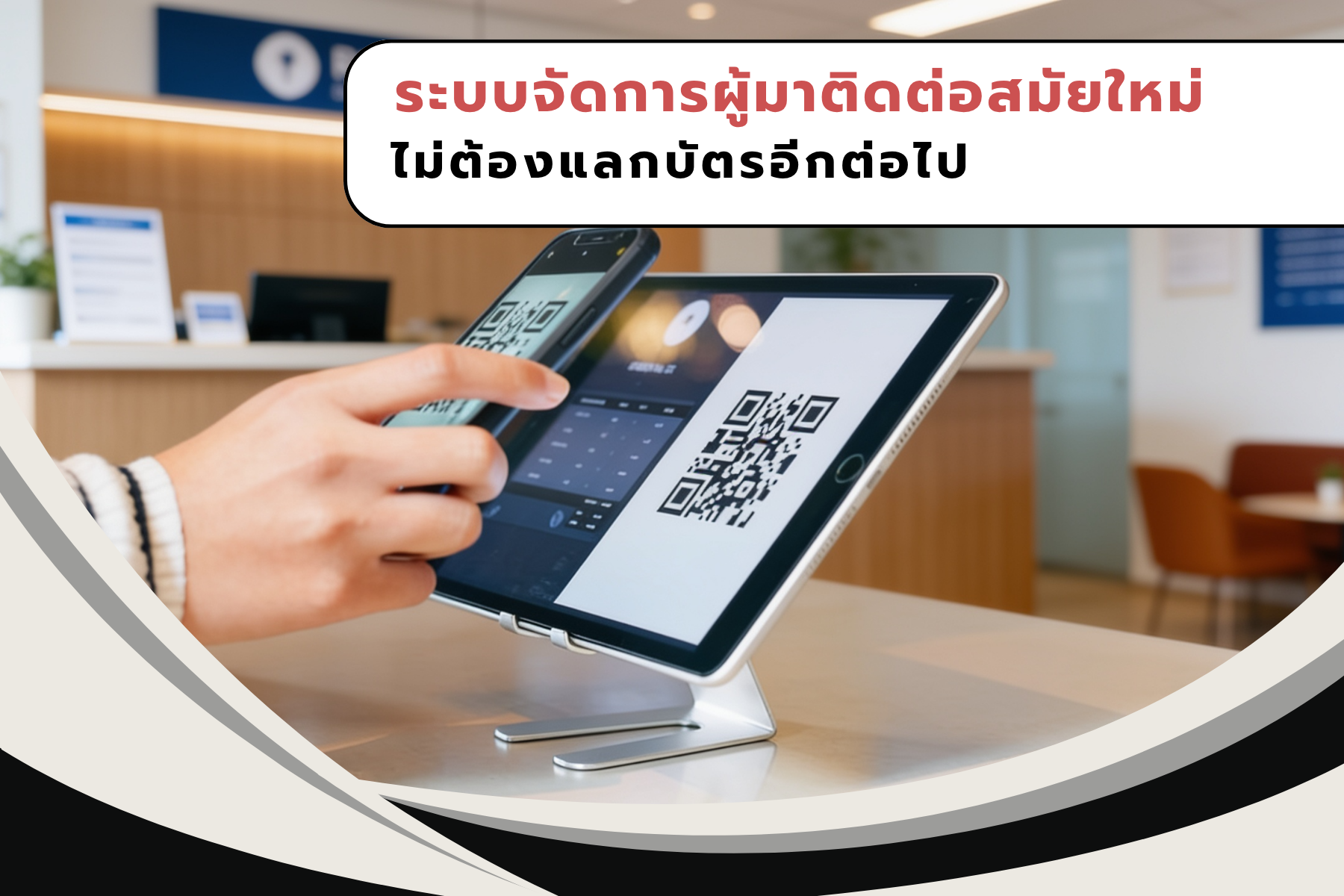
Modern Visitor Management System – No More Visitor Passes
The security gate is the first point every visitor passes through before entering a condominium or housing estate. It is also where delays often occur, even though no one intends for them to.
Visitors are typically required to hand over their ID card or driver's license to the security guard in exchange for a visitor pass. During this process, the guard records the visitor's details in a logbook, contacts the resident to confirm the visit, and waits for approval before allowing entry. Completing the entire process can take several minutes, especially during busy periods when multiple visitors arrive at the same time.
Although this process has long been considered standard practice, it often creates more operational burden for both the security team and the property management office than many people realize.
The Limitations of Traditional Visitor Pass Systems

Allowing visitors to leave their national ID card or driver's license with the security guard carries risks that are often overlooked. During busy periods, when several visitors arrive at the same time, ID cards can easily be misplaced, mixed up, or returned to the wrong person. When this happens, it can undermine the trust between residents and the property management team.
Paper visitor logbooks, which are still used in many properties, have their own limitations. Security guards' handwriting may be difficult to read, visitor information may be incomplete, or, in the worst-case scenario, the entire logbook may be lost along with all visitor records. When management needs to determine who entered the property at a particular time, finding accurate information quickly becomes extremely difficult.
Another challenge faced by many property management teams is the workload placed on security personnel. Security guards are often expected to verify identification, record visitor details, contact residents, and monitor other security responsibilities simultaneously. During peak hours, such as weekday mornings and evenings, the likelihood of mistakes increases even further.
How Does a Visitor Management System Replace These Processes?
Instead of asking visitors to leave their identification documents with the security guard, a modern visitor management system allows them to register through a mobile app or a tablet at the security gate. Visitors simply enter their name, destination, and purpose of their visit. The system then generates a QR code or digital access pass immediately, eliminating the need to leave personal identification with security staff.
Once the visitor has registered, the system instantly sends a notification to the resident or unit owner through the property management app. Residents are informed in advance that a visitor is arriving and can approve or reject the request directly from their mobile phone without having to come to the security gate.
The system also records the visitor's entry and exit automatically whenever the QR code or access credential is scanned. All records are securely stored in the cloud and can be retrieved instantly whenever an incident requires investigation.
Benefits Property Management Teams Gain from Upgrading the System

Eliminate the Risks of Exchanging Physical ID Cards
When visitors no longer need to leave their national ID card or driver's license with security staff, the risk of lost or mistakenly returned identification documents is eliminated.
Reduce the Workload for Security Personnel
With visitor registration and resident notifications handled automatically, security guards no longer need to manually record visitor information or call residents one by one. This allows them to focus more on maintaining security throughout the property.
Fast and Complete Access to Visitor Records
Every visitor's information is stored in a centralized system with accurate timestamps. There is no longer a need to search through paper logbooks or rely on the memory of security staff when reviewing past visitor activity.
Improve Security with a Watchlist
The system allows management to maintain a watchlist of individuals who require special attention. If someone on the list attempts to register, the system immediately alerts security personnel before access is granted.
Integrate Visitor and Vehicle Management
For visitors arriving by car, the visitor management system can work seamlessly with License Plate Recognition (LPR) cameras, allowing both visitor access and vehicle entry to be managed through a single platform instead of separate systems. This is one of the key advantages that distinguishes Silverman's solution from many alternatives on the market.
Things to Consider Before Moving to a Digital Visitor Management System
Switching from a traditional visitor pass system to a digital solution requires some planning.
Staff Familiarity with New Technology
Security personnel who have long relied on paper logbooks and physical visitor passes may need time to become familiar with tablets or mobile applications. Proper training should be provided before the system goes live.
Internet Connectivity at the Security Gate
Because the system synchronizes data with the cloud in real time, the security gate should have a stable internet connection. A backup plan should also be in place in case connectivity is temporarily unavailable.
PDPA Compliance and Personal Data Protection
Since the system stores visitor names, contact details, and, in some cases, images of identification documents, property management organizations should choose a provider with strong data protection policies, clearly defined access controls, and compliance with Thailand's Personal Data Protection Act (PDPA).
Alternative Options for Residents Who Do Not Use the App
Some residents, particularly older adults, may not be comfortable using a mobile application. The property should therefore provide an alternative process that allows security staff to verify visitors on the resident's behalf when necessary.
Who Should Consider Using This System?
A visitor management system is well suited for properties that receive a large number of visitors each day or require reliable visitor records to support security operations.
These include:
- Condominiums with multiple buildings
- Large housing estates
- Office buildings serving multiple companies
- Dormitories and apartment buildings that need to manage both residents and external visitors
For newly developed projects that are in the process of establishing a property management organization, implementing a digital visitor management system from the outset is far easier than replacing a traditional process later.
Moving from paper logbooks and physical visitor passes to a digital visitor management system is about more than modernization. It addresses recurring challenges related to data security, the workload of security personnel, and the ability to retrieve accurate visitor records whenever they are needed.
If you're considering upgrading your property's security gate operations, learn more about Silverman's Visitor Management System, which is designed to integrate seamlessly with other property management functions on a single platform.


Download Application


Contact us for more information


Add-On services
- E-meeting (e-AGM)
- Visitor Control Management and Parking lot control
- Security Systems and License Plate Recognition (LPR)
- AI Facial Recognition & Access Control Management System
- Automatic Debt Collection System and Legal Services
- Incorporation services and project assignments
- Accounting As A Service
- Audit As A Service
Connect with us
- Management & Accounting program
- E-meeting (e-AGM) and E-vote
-



Member of


Certified by


Awarded by

Accounting and Finance
Juristic Person Management
Property Management Services
Accounting Software for Juristic
Management Software for Juristic
Read More