What Does a Property Management App Do? Why Condominiums and Housing Estates Need One

What Does a Property Management App Do? Why Condominiums and Housing Estates Need One
Many property managers spend late nights preparing meeting documents or searching through past common fee records to answer residents' questions over the phone. These situations are a common part of managing condominiums and housing estates.
In many communities, accounting records are stored in one Excel file, receipts are saved in a separate folder, and maintenance photos are scattered across staff LINE group chats. As a result, finding the right document often takes time and requires coordination between multiple people.
These challenges are not caused by a lack of capability on the part of the staff. Rather, they stem from traditional management processes that were never designed to handle today's growing volume of information and the need for fast, convenient access to data.
Common Challenges Faced by Condominium and Housing Estate Management

From the experience of professionals working in condominium and housing estate management, the most common challenges tend to be the same across projects. In most cases, the issue lies not with the capability of the management team, but with the tools available to support day-to-day operations.
Collecting Common Area Fees and Following Up on Outstanding Payments Is Time-Consuming
Every month, management staff must generate invoices, verify payment statuses for each unit, and follow up with residents who have overdue balances. In many cases, unit owners transfer payments without sending confirmation, or they notify staff through LINE, where the message can easily get buried in busy group chats.
Managing a property's finances requires a high level of accuracy. When records are entered manually and verified one by one, the likelihood of human error increases. For projects with hundreds of units, staff may spend nearly an entire day simply tracking overdue accounts. In cases where outstanding balances remain unpaid for an extended period, engaging a common area fee debt collection service may become a necessary option.
Communication with Residents Is Often Inconsistent and Delayed
Many communities still rely on notice boards or LINE groups as their primary communication channels. However, residents do not pass by the notice board every day, and important announcements in large LINE groups with hundreds of members can quickly disappear beneath newer messages.
When urgent situations arise, such as scheduled water supply interruptions for maintenance or community event announcements, management staff often receive complaints that notifications were too late or did not reach everyone, even though they had already shared the information through all available channels.
Repetitive Administrative Work and Scattered Information
With traditional workflows, financial figures from accounting records are manually re-entered into Excel spreadsheets and later reformatted into Word reports for board meetings. The same information is therefore duplicated multiple times across different files and formats.
In addition, documents are often stored on individual staff members' computers. When the person responsible is unavailable, locating or accessing important information becomes difficult, disrupting the continuity and efficiency of daily operations.
Lack of Transparency Leads to Reduced Trust
Many residents want to know how their common area fees are being used. However, financial information is often unavailable or only disclosed during the annual general meeting. This lack of transparency can create mistrust between residents and the management committee, and in some cases may even contribute to opportunities for fraud or financial misconduct.
A system that allows transparent, real-time access to relevant information can significantly reduce misunderstandings and disputes. Without technology that supports timely information sharing, however, building and maintaining trust becomes much more challenging.
What Is a Property Management App? How Is It Different from Accounting Software?
A property management app is much more than a condominium accounting program or a standard property management system. It is an all-in-one platform specifically designed to support every aspect of condominium and housing estate management.
Traditional accounting software focuses primarily on financial recordkeeping, such as tracking income and expenses and generating accounting reports. A comprehensive property management app, however, goes far beyond these functions. It supports common area fee collection, resident communication, meeting document management, resolution tracking, maintenance requests, tax invoice generation, and real-time reporting—all within a single system.
In other words, every aspect of property management is integrated into one centralized platform. Each department can access the information relevant to its responsibilities without relying on multiple communication channels or waiting for data to be passed between team members.
What truly sets a comprehensive property management platform apart from standard accounting software is its understanding of how property management organizations actually operate. Rather than adapting a generic accounting system, it is purpose-built from the ground up to address the real-world challenges faced by condominium and housing estate management teams.
What Problems Can a Property Management App Solve?

What Problems Can a Property Management App Solve?
When people think about property management software, they often focus on the list of features it offers. However, the more important question is whether it can effectively solve the real challenges faced by property management teams.
Accurate and Efficient Management of Common Area Fees and Accounting
An effective property management app automatically generates monthly invoices and delivers them directly to residents through the mobile app or email. Once a payment is received, the system records the transaction and updates the payment status immediately. If any unit has an outstanding balance, the system automatically sends reminders without requiring staff to monitor accounts manually.
All financial information is stored in a centralized system and updated in real time, allowing property managers to check fund balances, outstanding payments, and financial records whenever needed without waiting until the end of the month. An online accounting system reduces administrative workload while minimizing the risk of errors caused by manual data entry.
Instantly Deliver Announcements and Communicate with Residents
A property management system enables management teams to send announcements to every resident in a single step. Residents receive notifications directly through the resident mobile application, ensuring important information reaches them quickly and efficiently.
The system also allows staff to track which residents have acknowledged or read each announcement and which have not. For maintenance requests and resident complaints, users can submit requests directly through the app, while management staff can monitor the progress and status of each request in real time.
Simplify Meeting Preparation and Resolution Management
Preparing documents for condominium or housing estate meetings—including meeting agendas, financial reports, operational updates, and supporting materials—becomes much easier when information can be generated directly from the system. This reduces manual work and minimizes errors caused by transferring data between different documents.
Meeting resolutions are recorded within the system and can be shared with board members and residents immediately after the meeting. A complete history of resolutions is stored for future reference, making it easier to track implementation, ensure accountability, and maintain continuity in decision-making.
Improve Transparency and Build Trust
When all information is recorded in a centralized system and accessible according to user permissions, many of the misunderstandings and disputes caused by limited access to information can be significantly reduced.
Residents can review their payment history, reserve fund balances, and project expenses independently. Board members gain greater visibility into management operations through clear records and supporting documentation, while staff benefit from a system that automatically maintains an accurate and verifiable audit trail of their work.
Who Benefits from Property Management Software?

Who Benefits from Property Management Software?
Property management software is not just a tool for management staff. Everyone involved in operating a condominium, housing estate, or commercial property can benefit from it. A well-designed property management system is built to meet the needs of all stakeholders at the same time.
Property Management Committee
Committee members can access real-time information about the property's financial status, maintenance requests, and daily operations without waiting for scheduled meetings. They also have reliable, verifiable data available whenever they need to explain decisions or respond to questions from residents.
Property Managers and Management Staff
The system reduces repetitive administrative tasks, allowing staff to spend more time on work that requires personal attention. Since every action is recorded automatically, the system also provides a transparent audit trail that helps demonstrate accountability and accuracy.
Unit Owners and Residents
Residents can review their payment history, pay common area fees directly through the app, and track the progress of maintenance requests without having to contact the management office.
Property Management Companies
For companies managing multiple condominiums or housing estates, a centralized system allows executives to monitor the status of every project from a single platform while maintaining consistent operational standards across all properties.
What to Look for in a Good Property Management System
Choosing the right property management app should be based on its ability to solve real operational challenges—not simply on the number of features it offers. Key factors to consider include:
Ease of Use
A good system should be intuitive enough for both management staff and residents to use without requiring advanced computer skills. If the software is too complicated, adoption rates will be low and its benefits will be limited.
Designed for the Thai Property Management Industry
The system should be built specifically for Thailand's property management environment, supporting local legal requirements, document formats, and operational workflows rather than adapting generic business software.
Transparency and Auditability
Every transaction and action should be recorded with details of who performed it, when it occurred, and what changes were made. This creates a complete audit trail whenever questions or disputes arise.
Comprehensive Communication Tools
Effective communication goes beyond email and SMS. The system should include a resident mobile application that allows owners and residents to receive updates, access important information, and communicate directly with the management team.
Reliable Customer Support
Even the best software requires dependable support. A quality provider should offer responsive assistance whenever users encounter problems, ensuring the system continues to operate smoothly.
Is It Difficult to Start Using a Property Management App?
One of the most common concerns about adopting a new property management system is the complexity of migrating data, learning a new platform, and adjusting existing workflows.
In practice, a reliable software provider will manage the entire migration process, including transferring unit information, resident records, outstanding balances, and other essential data. They should also provide user guides and training sessions so that management teams can begin using the system with confidence.
The biggest challenge is usually not the technology itself, but changing established work habits. Staff who are accustomed to traditional processes may need time to adapt. However, once they experience the time savings, improved accuracy, and streamlined workflows, acceptance of the new system typically follows naturally.
A Transparent System Prevents Problems Before They Arise
Most disputes within property management organizations stem from limited access to information, a lack of transparency, or ineffective communication. When residents cannot verify how common area fees are being used, trust begins to erode. When committee members lack sufficient information to make informed decisions, delays become inevitable. When staff do not have systems that support transparency, they spend more time explaining and justifying their work instead of focusing on managing the property.
Implementing the right property management software is therefore about much more than improving convenience or saving time. It establishes a strong foundation for effective long-term property management. When everyone has appropriate access to information, communication is organized and efficient, and every transaction is fully traceable, many problems can be prevented before they ever occur.
Silverman: An All-in-One Property Management and Accounting Solution
Silverman is a comprehensive property management and accounting platform designed for condominiums, housing estates, office buildings, and other managed properties. The system focuses on accuracy, reduces repetitive administrative work, and provides real-time transaction tracking with complete user activity logs for every action performed by management staff.
If you are looking for a solution to make your property management operations more transparent, efficient, and trustworthy, Silverman may be the answer. To learn more, visit silverman.app or call +66 8-1442-6888.
Download Application


Contact us for more information


Add-On services
- E-meeting (e-AGM)
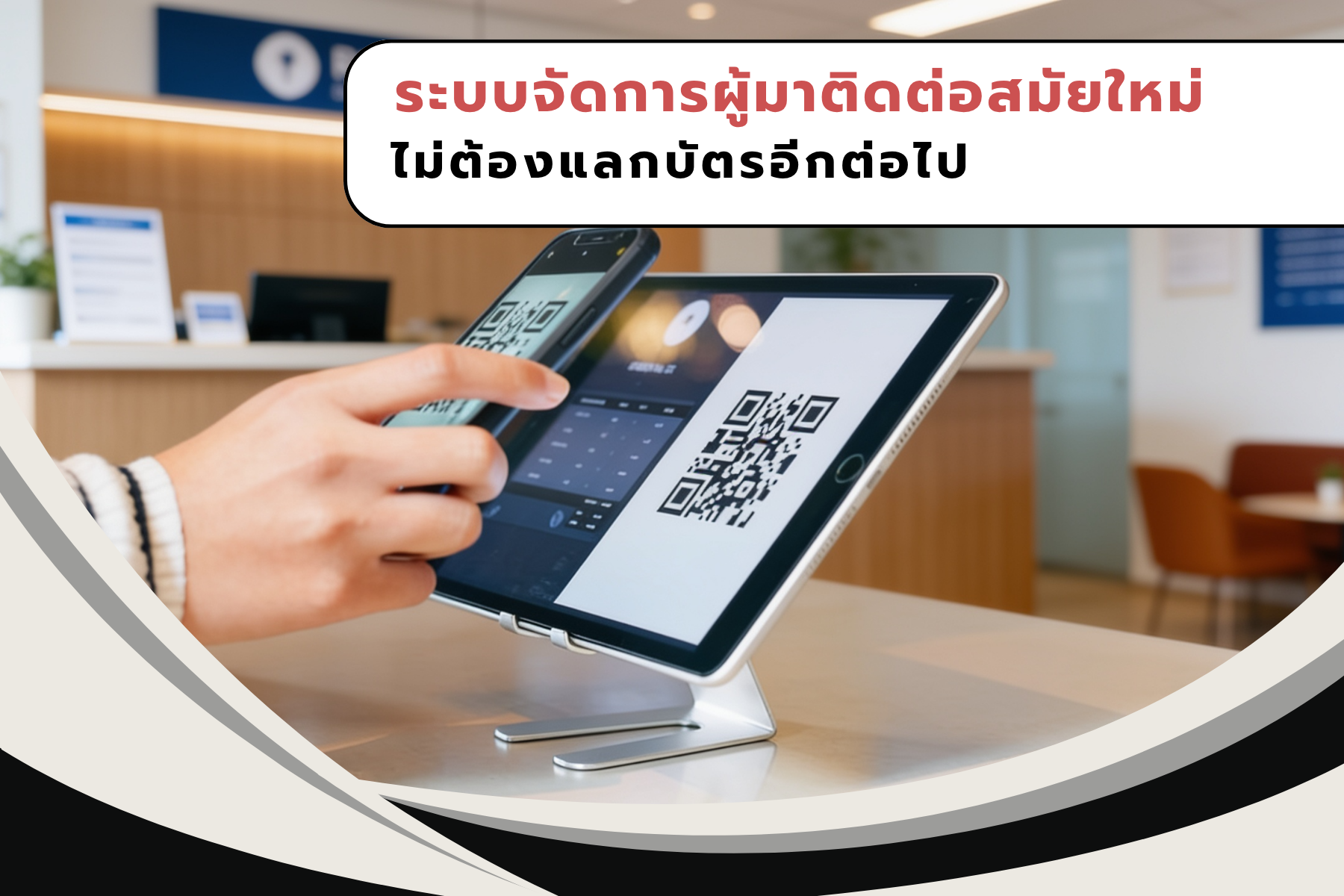
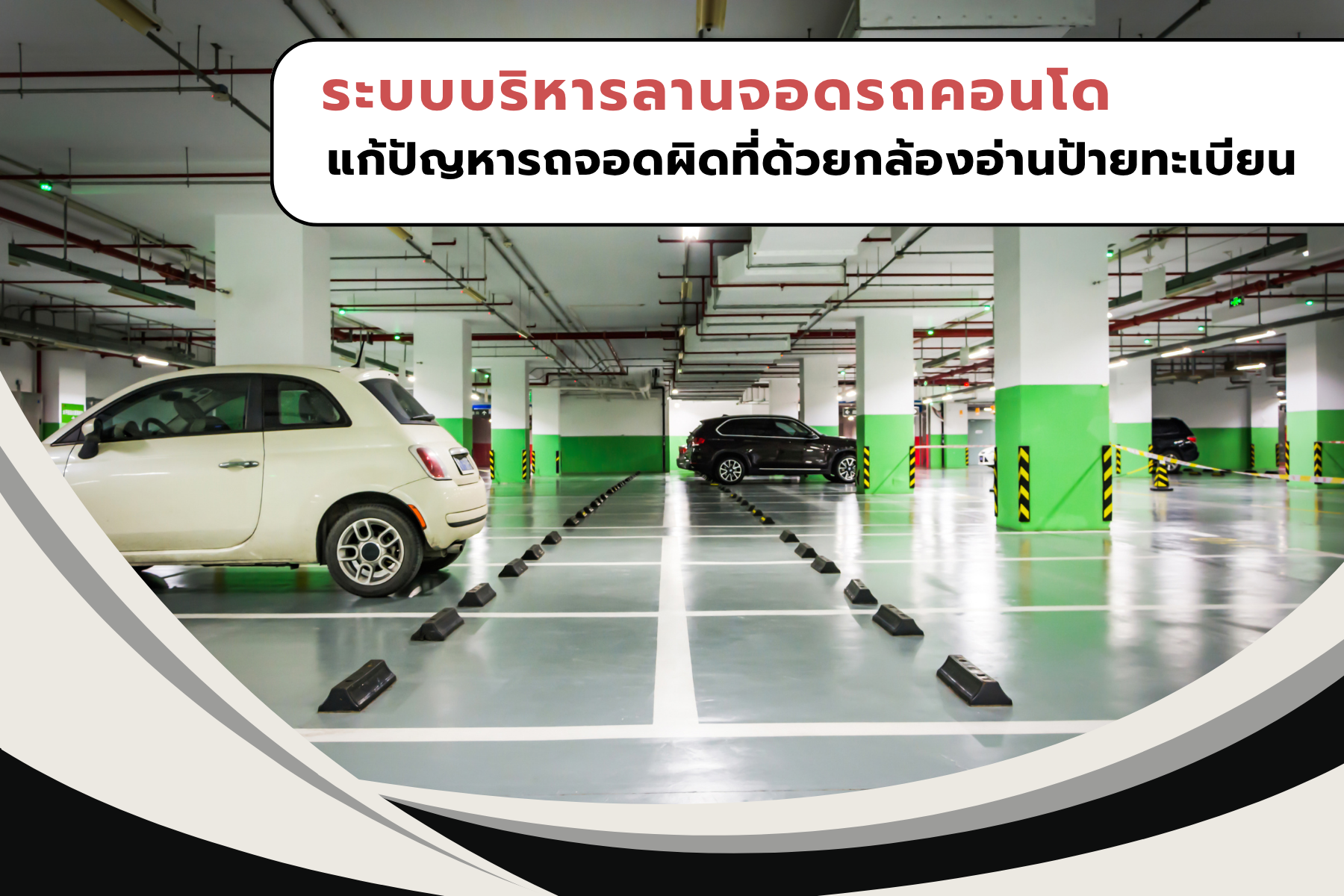
- Visitor Control Management and Parking lot control
- Security Systems and License Plate Recognition (LPR)
- AI Facial Recognition & Access Control Management System
- Automatic Debt Collection System and Legal Services
- Incorporation services and project assignments
- Accounting As A Service
- Audit As A Service
Connect with us
- Management & Accounting program
- E-meeting (e-AGM) and E-vote
-



Member of


Certified by


Awarded by

Accounting and Finance
Juristic Person Management
Property Management Services
Accounting Software for Juristic
Management Software for Juristic
Read More